Minari

Updated: Apr 8
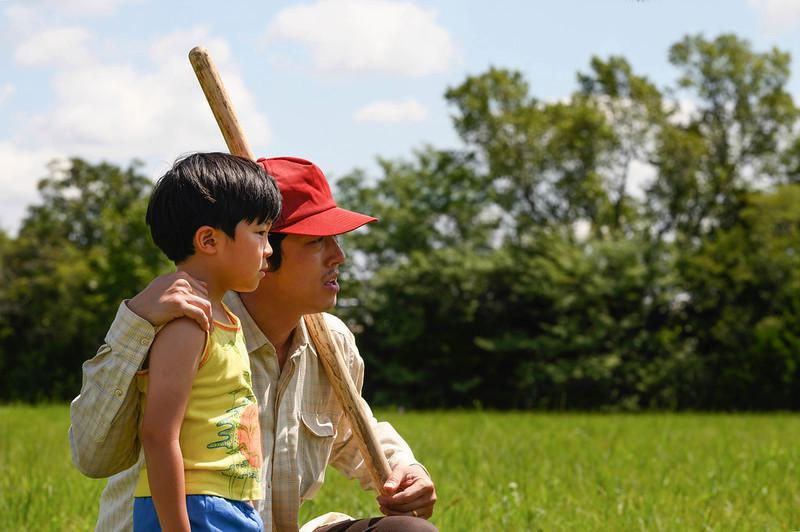
Summary: Minari follows the Yi family, a Korean American family who moved from California to rural Arkansas in the 1980s so Jacob, the father, can start a farm, growing Korean produce for immigrant markets. Monica, the mother, is unsure about the move and worries about the family’s stability. Their children, Anne and David, navigate growing up between cultures, while Soonja, the grandmother, arrives from Korea and brings her own personality and traditions into the family.
The family faces multiple hardships: financial instability, marital tension, cultural isolation, health complications, and ultimately a devastating fire.
Throughout the film, the minari plant—resilient, adaptable, and capable of thriving in any environment—serves as a symbol of immigrant endurance and rebirth.
Main Ideas:
Immigration and the Struggle to Build a New Life:
The move to Arkansas: The Yi family relocates in search of economic opportunity, reflecting the immigrant pursuit of stability and self determination.
Harsh working conditions: Jacob and Monica work in a low wage chick‑sorting facility, showing how immigrants are often pushed into physically demanding, underpaid labor.
Cultural isolation: The family is one of the few Asian households in the area, making assimilation emotionally and socially difficult.
Identity, Belonging:
Jacob’s identity as a farmer: His obsession with success strains his marriage and reveals how identity can become entangled with ambition.
Children balancing dual environments: Anne and David alternate between speaking English with friends and Korean at home, illustrating the development of their cultural identities.
Monica’s conflict: She feels torn between supporting Jacob’s dream and protecting her family’s emotional and financial security.
The American Dream:
Jacob’s pursuit: He prioritizes the farm above all else, believing success will validate his identity and sacrifices.
Monica fears that the dream might be tearing the family apart.
The fire symbolizes the collapse of Jacob's dream and forces the family to reevaluate what truly matters.
Sacrifice, Family, and Priorities:
Marital tension: Jacob and Monica argue over finances, safety, and the future, showing the emotional toll of immigrant sacrifice.
Soonja’s stroke: Adds caregiving stress and highlights the vulnerability of elders in immigrant households.
Final moments: Despite losing the harvest, the family begins again, suggesting that resilience, not success, defines them.
Stereotypes and Subversion:
Soonja defies expectations: She curses, gambles, and refuses to act like the stereotypical gentle, cookie‑baking American grandmother.
Cultural Gestures and Symbolism
Minari plant: Grows anywhere, survives harsh conditions, and returns year after year. Symbolizes immigrant resilience, adaptability, and renewal. Soonja plants it by the creek, and it thrives—unlike the farm—showing that what immigrants bring from home can flourish even when their American dreams falter.
Korean tea for David: Soonja uses traditional remedies instead of American medicine, showing cultural continuity.
Bowing: The family continues Korean greeting customs even in Arkansas, demonstrating how culture travels with immigrants.
Code‑Switching:
Children: David and Anne speak English with Americans but switch to Korean with their parents and grandmother.
Adults: Jacob and Monica use Korean at home but English in public spaces.
This bilingual story mirrors the real-life experiences of numerous immigrant families as they navigate between two cultural worlds.
The film's structure, incorporating both Korean and English dialogue, reflects the actual experiences of immigrant families who often alternate between languages depending on the context.


Comments